We’re trying something a little different here with a living blog post of branding and marketing tips.
Instead of only adding monthly blog posts (which will certainly continue), we’re collecting branding and marketing tips here. This is short-form. Quick thoughts, observations, and advice about branding, positioning, and design for business owners and marketers. We’ll add a new installment every week until we run out of things to say, which will likely be never. If you see something you like, hit the share button. If you have an idea for a post or just a question, drop us a line.

The bankruptcy courts are full of great ideas that were undermined by insufficient branding and promotion.
That’s the price you pay by trying to do it all by yourself.
That’s the price you pay by prioritizing sales ahead of marketing.
That’s the price you pay by viewing marketing as an expense instead of an investment.
That’s the price you pay by letting your CFO set your marketing budget.
That’s the price you pay by building it and expecting them to come.
That’s the price you pay by waiting for profits before spending marketing dollars.
That’s the price you pay by only talking only about yourself in your messaging.
That’s the price you pay by thinking you have all the answers
It takes time to build a first-rate reputation. Don’t let second-rate marketing or a lack of commitment undermine it.
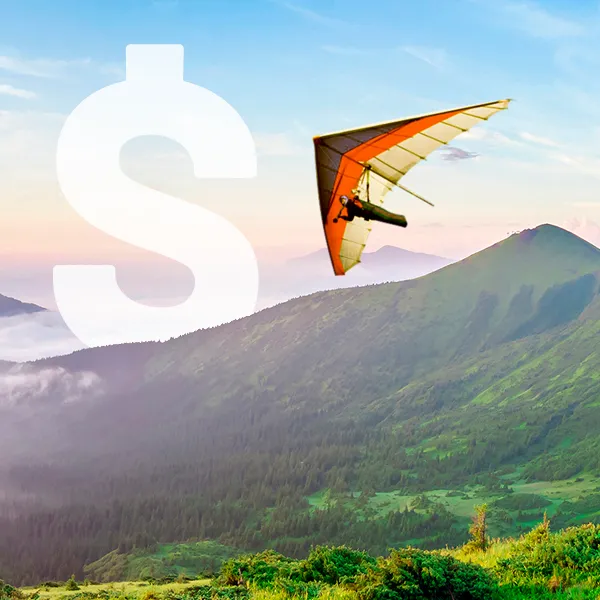
Building brand equity
Every year, Forbes lists the most valuable brands. Google, Apple, Microsoft, and Amazon in some order are usually in the top five. These values are not based on intellectual property, market share, or physical assets. They’re based solely on market perception and their willingness to continually return for what they offer, often paying a premium for it.
This is what we call Brand Equity. Brand Equity is the non-tangible value of the unique space you occupy in the minds of others.
It’s exemplified by what people think of when they hear your name, and what they say to others about you when you’re not in the room.
The companies with the highest brand equity have spent years, even decades, developing track records of consistently high quality.
Google, Apple, Microsoft, Amazon, et al, each established a Brand Promise that means something more to their consumers. And they have consistently delivered on that promise.
They’ve earned market trust that allows them to occasionally misstep without compromising long-term customer loyalty.
They’ve built enviable reputations that even their competitors admire and respect.
These connections are mostly emotional.
There’s no reason why you cannot do the same.

Are you willing to bet on yourself?
Winning at poker, like branding, relies on perception, strategy, and long-term thinking.
It’s also a game of risk vs. reward.
Are you willing to take the bold steps to promote yourself in a meaningful way that really excites others?
How many business icons made their mark by playing it safe?
How many billionaires got there by following others?
How many successful people distinguished themselves by blending in?
There’s no reason why you cannot sit at the same table as the “big boys.” That’s if you have the determination to up your game and bet on yourself.
Feels like a gamble? One sure bet is that inaction will yield predictable results.
The reward is in the risk.
You can be the one they think of first. The one they remember. The one they trust. The one they refer others to.
The one holding all the cards.
If you’re willing to bet on yourself, we’re willing to bet on you.

There’s a void out there. You can’t see it, but I assure you it’s there.
It’s created by your competitors cutting back on their marketing as they wait for the economy to stabilize.
You see, they’re viewing marketing only as an expense, instead of an investment. And they’re counting on (hoping/wishing/praying) things they have no control over.
When the economy sputters or business slows, CFOs begin to get nervous. They tighten their belts, and marketing is usually the first budget to get cut. This is often a shortsighted and reactionary move.
If marketing is the fuel for your sales team, the last thing you want to do is suck all of the oxygen out of the room.
Marketers know that this is the precise time to double-down on their efforts, not cut them. Sure, it’s always smart to revisit your investments to see where you might get more bang for your buck, and maybe even hit the pause button on certain activities to demonstrate fiscal responsibility.
But look at that void as a gift from your competitors. When they go dark, that creates a huge opportunity for you to shine brighter and take away some of their market share.
Businesses that continue to invest in marketing during downturns typically bounce back quicker and stronger.
Never stop marketing. Just get smarter about it.

Be less like a banana.
Did you know that humans and bananas share more than 60% of the same DNA?
Many of the “housekeeping” genes needed for basic cellular function, like helping cells divide, controlling the cell cycle, and replicating DNA, are shared between many animals and plants. And that includes bananas.
So, yeah, about 60% of your DNA’s got the essentials covered.
The other 40%?
That’s where your unique talents, intellect, experience, and passions are. And they add real value and distinguish you in a positive way that is meaningful to others.
Never lose sight of how you do things differently and why it matters.
So, what are you doing with your 40% to stand out from the rest of the bunch?

It’s in there. Do you see it?
Way deep within your brain and surrounded by the cerebellum and cerebral cortex, there’s a system of interconnected structures called the limbic system. This is the part of the brain that’s responsible for behavioral and emotional responses.
That’s where love and hope blossom.
It’s where your fears and anxieties are formed.
It’s also where your brand lives.
Your brand creates a unique frame of mind that only you can own.
Are you doing enough to ensure that your brand occupies the right space?

Here’s a little secret that’s not so secret.
Your competitors? They see marketing as an investment. They don’t see it an expense. They’ve prioritized it as essential to building awareness and gaining market share. In fact, many of them put their marketing plan in place before hiring their first salespeople.
Polls have shown that former CEOs often concede that, if they had to do it all over again, they would “invest more in marketing.”
By under-prioritizing your marketing, you could be undermining your business.
Of course, you should always spend wisely and measure the results. But try not to view marketing investments solely as expenses, no matter how those controlling the purse strings frame it.
Don’t determine your budget without first determining your priorities.
Priorities are what turns expenses into investments.

Hey, small business owners, there’s a villain out there and it’s coming for your brand. But it’s not who you think it is.
Unless you’re very careful about how you use AI for your marketing, you could end up neutralizing your brand instead of enhancing it.
Remember, you are the only one with your world experiences. You have a unique way of doing things that benefits others. Those add special value that distinguishes you in a positive way from everybody else.
People should be willing to pay a premium for it.
But your over-reliance on AI for your marketing is not projecting premium. It’s projecting DIY. And DIY is not good enough.
Great brands aren’t built on “Good enough.” And settling for it can become your brand’s greatest villain.
You deserve better.
It takes time to build a first-rate reputation. Don’t let second-rate marketing undo it.

People are talking about you
behind your back.
What they’re saying to others after you leave the room?
That’s your brand.
It’s shaped by your ability to consistently uphold the promise you make to them and do so by default.
It’s fueled by your ability to always be there for them, make them part of the story, and evolve with them.
It’s measured by their willingness to pay a premium for what you offer, return for more, go on record about their experiences, and refer others.
Put simply, your brand is what people think of when they hear your name, especially when you’re not around.
This is all 100% within your control.
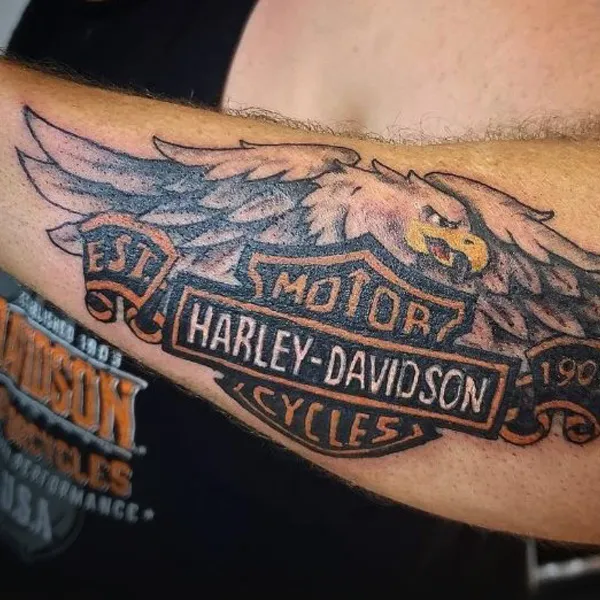
This is what brand loyalty looks like.
What are you doing to build, reinforce, and maintain Brand Loyalty with your customers?
Did you choose a Brand Identity that is eye-catching and easy to recognize?
Do you have a Brand Promise that is authentic, relatable, and realistic?
Are you using your Brand Voice to creatively get your message out? Are you doing it frequently and consistently? Has it resonated?
Does your audience share your values and know what you stand for? Are you speaking to them in their language?
Are you distinguishing your brand from your competitors and making a compelling case why you’re the ideal choice?
Are you offering a Brand Experience that makes consumers willing to welcome you into their world?
Are you developing meaningful and emotional connections to your market to secure a long-term relationship?
Are consumers going out of their way for your brand? Are they referring others?
This is what Brand Loyalty looks like.
Think Apple, Starbucks, and, yes, Harley-Davidson.
There’s no reason why you can’t have the same level of customer loyalty.
Check out our infographic “Seven Stages of Achieving Brand Loyalty.”